

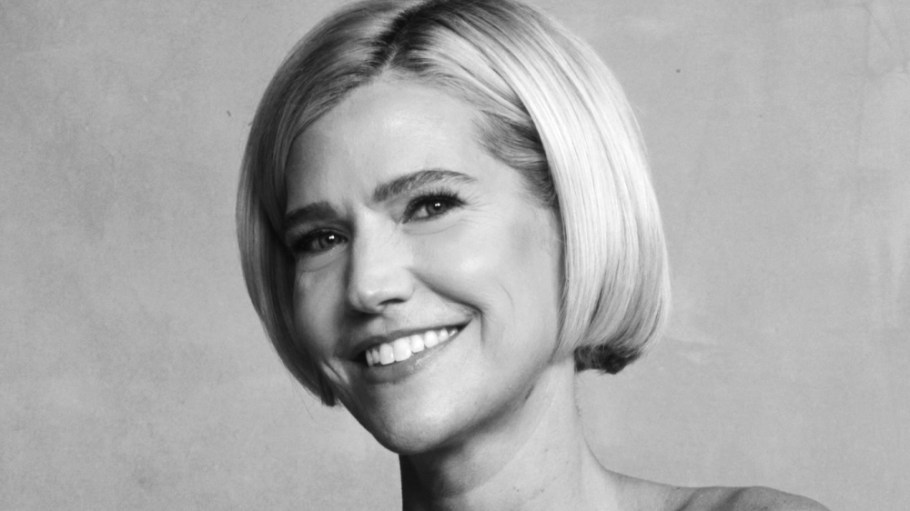
The Retail & Luxury Goods Club at Columbia Business School recently held its annual conference, focusing on the theme of “The Rewrite.” Industry leaders and students gathered to discuss how the retail and luxury sectors are fundamentally changing their business models to adapt to new consumer behaviors and technological shifts.
The event featured a series of panels and keynote speeches that examined the intersection of heritage branding and modern digital innovation. Speakers emphasized that the traditional rules of retail are being rewritten as brands move toward more personalized, data-driven experiences for their global customers.
A major topic of discussion was the evolving role of physical stores in a digital-first world. Experts noted that while e-commerce continues to grow, the brick-and-mortar location is being reimagined as a “brand embassy” focused on storytelling and community building rather than just inventory storage.
Sustainability and circular fashion were also at the forefront of the conversation. Panelists explored how luxury houses are integrating resale, repair, and recycling programs into their core operations to meet the environmental expectations of younger, more conscious shoppers.
The integration of artificial intelligence in the luxury space was another key highlight. Leaders discussed how AI is being used not just for logistics, but to enhance the creative process and provide hyper-personalized styling advice that mimics the high-touch service of a private boutique.
Industry executives from major fashion houses and tech startups shared insights on the importance of agility in the current market. They argued that the ability to pivot quickly in response to cultural trends is now a baseline requirement for any brand hoping to remain relevant in the “rewrite” era.
The conference also touched on the shifting definitions of luxury, noting that the modern consumer values time, access, and authenticity as much as they do traditional status symbols. This shift is forcing brands to rethink their marketing strategies and how they communicate value to their audience.
Talent acquisition and the future of work in retail were also examined. As the industry becomes more technical, there is a growing demand for professionals who can bridge the gap between creative design and complex data analytics to drive business growth.
The event served as a networking hub, connecting the next generation of business leaders with current influencers in the retail space. This exchange of ideas is seen as vital for preparing students to enter an industry that is undergoing such a profound and rapid transformation.
Diversity and inclusion remained a consistent theme throughout the panels. Speakers highlighted that a successful “rewrite” of the industry must include a more representative range of voices at the executive level to better reflect the diverse global market they serve.
The impact of social commerce and the “creator economy” was another significant point of interest. Experts discussed how influencers and content creators are now acting as major distribution channels, often reaching consumers more effectively than traditional advertising campaigns.
As the conference concluded, the consensus was that while the retail landscape is challenging, the opportunities for innovation have never been greater. Brands that embrace the “rewrite” and lean into the unknown are the ones most likely to lead the next decade of luxury.
The insights gathered at Columbia reflect a broader sentiment across the fashion and business worlds: the old playbooks are being discarded in favor of a more dynamic, transparent, and inclusive approach to commerce.

Sophia’s talent for weaving captivating narratives of fashion personalities and her knack for breaking fashion news make her a trusted voice in the industry.