

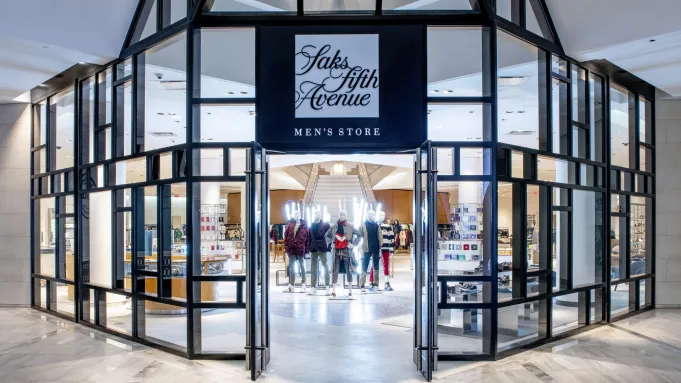
Saks Global is facing a complex and scrutinized journey through the legal system as it works to restructure its business under bankruptcy protection. The move marks a pivotal moment for the luxury retail giant, which is attempting to stabilize its finances while managing the high expectations of creditors and high-end brand partners.
The bankruptcy filing follows months of speculation regarding the company’s liquidity and its ability to maintain its dominant position in the luxury market. While the retailer remains operational, the court process will determine how it manages its debt and which parts of its extensive retail footprint will remain viable in the long term.
Central to the restructuring is the need to balance the interests of various stakeholders, including lenders who have significant capital tied up in the business. The court will oversee the negotiation of a repayment plan, which often involves painful decisions regarding store closures and staff reductions to trim overhead costs.
Industry analysts are closely watching how Saks Global handles its relationships with luxury fashion houses. Many of these brands rely on Saks as a primary distribution channel, and any disruption in payments or inventory management could damage the long-term trust required to sustain high-end retail partnerships.
The company has emphasized that this process is a strategic necessity to ensure the brand’s survival in a changing economic landscape. By utilizing the bankruptcy court, Saks aims to emerge as a leaner, more digitally-focused organization that can better compete with emerging luxury e-commerce platforms.
One of the most complex aspects of the case involves the separation of the company’s physical real estate from its digital operations. This split, which was intended to unlock value for shareholders, has created a complicated web of internal leases and financial obligations that the court must now untangle.
The restructuring also comes at a time when consumer spending on luxury goods is softening globally. Higher interest rates and economic uncertainty have led even affluent shoppers to be more selective, putting additional pressure on Saks to provide a flawless and exclusive shopping experience despite its financial woes.
Legal experts suggest that the “Saks Global” case could set a precedent for how other struggling legacy retailers approach restructuring in the modern era. The focus is no longer just on cutting costs, but on reimagining the entire retail model for an audience that increasingly shop online.
Despite the legal hurdles, the Saks brand maintains a powerful cultural legacy. The company is betting that its name recognition and prime real estate locations, such as the flagship store on Fifth Avenue, will provide enough leverage to secure the necessary financing to exit bankruptcy.
Creditors are likely to push for a quick resolution to avoid a prolonged period of uncertainty that could further devalue the brand. However, the sheer scale of Saks Global’s operations means that a “quick” exit is relative, with many expecting the process to take several months of intense negotiation.
The company’s leadership has remained optimistic, stating that the restructuring will ultimately provide the flexibility needed to invest in new technologies and store renovations. They are focused on maintaining the “Saks experience” for customers, even as the backend of the business undergoes radical change.
As the court proceedings move forward, the luxury industry remains on high alert. The outcome will not only decide the fate of Saks Global but will also signal the future health of the department store model, which has been the backbone of American luxury for over a century.
The road ahead is undoubtedly difficult, but if Saks can successfully navigate the bankruptcy court, it may find a way to reinvent itself for a new generation of shoppers. For now, the focus remains on the courtroom, where the future of a fashion icon is being decided.